Crypto Address Poisoning Attacks: Stunning Must-Know Threat
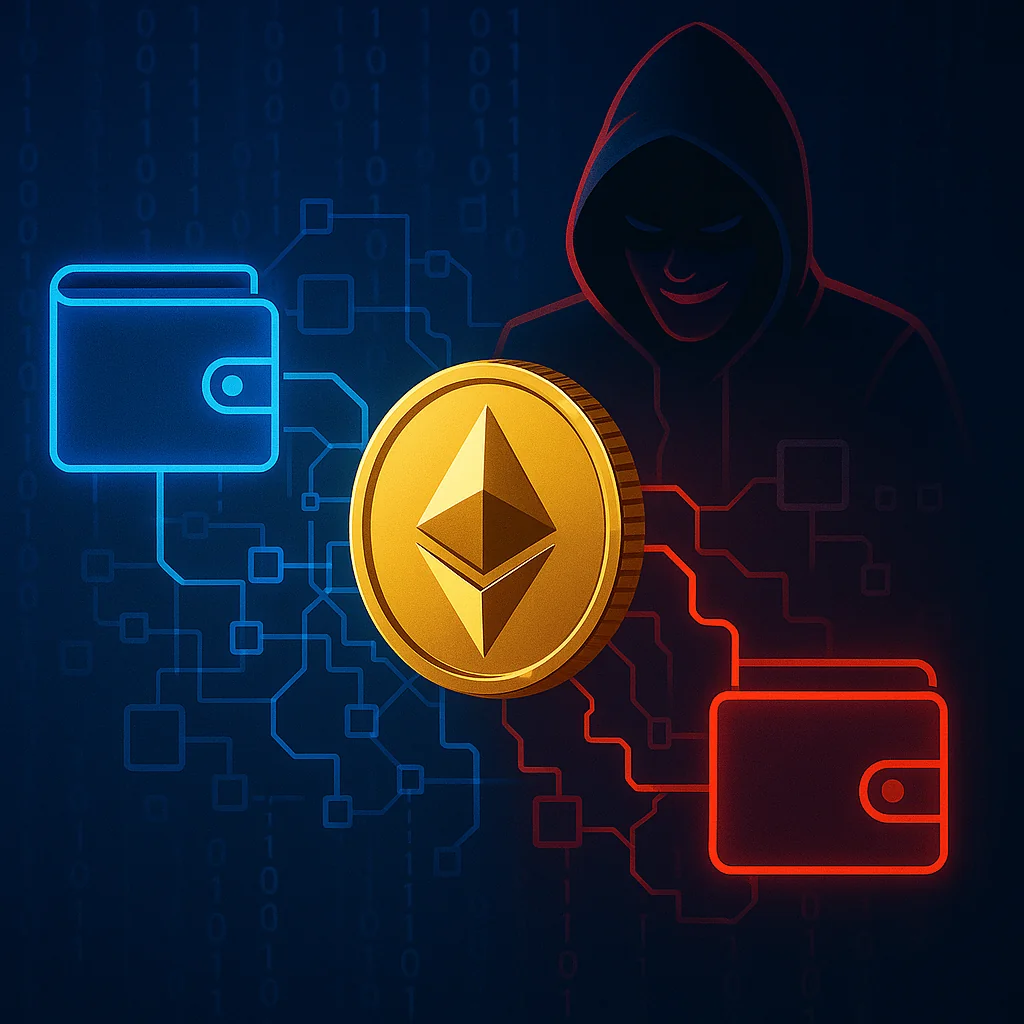

Crypto address poisoning attacks exploit one simple habit: copy-pasting wallet addresses without looking closely. Attackers know users trust their own transaction history, so they poison it with fake addresses that look real. One moment of distraction is enough to send funds to a scammer forever.
What Is a Crypto Address Poisoning Attack?
A crypto address poisoning attack is a scam where an attacker sends tiny transactions or token spam from an address that looks almost identical to a victim’s real address. The goal is to “pollute” the victim’s transaction history so the victim later copies the wrong address and sends funds to the attacker.
The trick relies on human pattern recognition. People glance at the first and last characters of an address and assume the rest matches. Attackers exploit this habit with addresses that share the same prefix and suffix but differ in the middle.
How Address Poisoning Works Step by Step
Address poisoning is simple but effective. The scammer does not need to hack the wallet or break any private keys. The user does the final mistake by sending funds to the wrong address.
- Target selection: The attacker finds active wallet addresses on-chain or in public channels such as forums or social media.
- Lookalike address creation: The attacker generates new wallet addresses until the start and end characters match the target’s address pattern, for example:
0xA1B3...9F21. - Poisoning transaction: The attacker sends a tiny amount of tokens or spam tokens from the fake address to the victim’s wallet, placing the lookalike address into the wallet’s transaction history.
- User copies the wrong address: Later, the victim opens their wallet, checks “recent transactions,” and copy-pastes the lookalike address, thinking it is their own or a trusted counterparty.
- Funds are lost: The victim signs and sends the transaction. The funds go straight to the attacker’s address with no way to reverse it.
Each phase exploits routine behavior. The more often someone reuses addresses from their own history, the more exposed they are to this type of attack.
Why Address Poisoning Is So Dangerous
Address poisoning feels harmless at first glance. Victims see only a few meaningless tokens land in their wallet. No alert. No clear sign of trouble. The real danger appears days or weeks later during a rushed transaction.
A typical case looks like this: A user wants to send stablecoins to their cold wallet. They open their hot wallet, tap “recent recipient,” pick an address that looks familiar, and approve the transaction from their phone at a café. The funds leave. Seconds later, they realize the address is off by a few characters in the middle. Too late.
Common Address Poisoning Techniques
Attackers use several patterns to make their addresses look convincing. Some methods target casual users, while others aim at heavy DeFi or NFT users.
- Prefix and suffix mimicry: They copy the same first 4–6 and last 4–6 characters as the real address, changing only the middle section.
- Spam tokens with misleading names: They send tokens named like real projects or stablecoins so the transaction looks normal in history.
- On-chain labeling abuse: On some chains, they use names similar to popular services so explorers or wallets display something that looks trusted.
- High-volume targeting: Scripts automatically scan new active wallets and blast thousands of poisoning transactions to maximize chances of a hit.
These tricks aim to blend the fake address with the victim’s usual activity so that quick checks do not raise suspicion.
Micro-Examples of Poisoning in Action
Small real-life style examples help show how easy it is to fall for address poisoning even with some experience.
Example 1: Personal cold wallet funding
Maria keeps her long-term holdings in a hardware wallet. She sends crypto there from her main wallet every month. One attacker poisons her history with an address starting with 0x4C9A and ending with F7D3, just like her cold wallet. On a busy day, she opens her app, clicks her “recent recipient” list, and chooses the wrong one. Her full monthly stack goes to the attacker.
Example 2: NFT trading and a fake marketplace address
Dan trades NFTs and often sends funds to the same marketplace deposit address. An attacker notices his pattern on-chain and sends tiny spam tokens from an address that mimics the marketplace deposit address. Dan tries to fund his trading session in a hurry, copies from an old transaction, and funds the attacker instead.
Key Warning Signs of Address Poisoning
Some clues stand out if you know what to look for. Learning to spot them cuts a large part of the risk with very little effort.
| Warning Sign | What You See | What It May Mean |
|---|---|---|
| Random tiny transactions | Dust amounts or strange tokens from unknown addresses | An attacker is inserting their address into your history |
| Lookalike addresses | Addresses with same start and end but odd middle section | Generated to mimic your own address or a trusted one |
| Spam tokens with odd tickers | Tokens named like real projects but with spelling errors | Attempts to make scam activity look legitimate |
| New “familiar” addresses | Recipient shows up in history though you do not recall adding it | Recently poisoned entry that you have never used before |
None of these hints alone confirm an attack, but together they build a strong pattern. A short address check before each transfer keeps these scams from paying off.
How to Protect Yourself from Address Poisoning
Simple habits and basic tools neutralize most address poisoning attacks. Protection does not require advanced skills, just consistency.
1. Stop Copying Addresses from Transaction History
The single biggest fix is to avoid using your own transaction history as a contact list. That history may already be poisoned by attackers.
Always copy the address from a source you control, such as your hardware wallet screen, a trusted address book, or an offline record. This extra step feels slow at first but soon becomes automatic.
2. Use Address Books and Contacts in Wallets
Many wallets offer a contact or address book feature. Use it. Save known good addresses with clear labels like “My Ledger BTC cold wallet” or “Main CEX deposit ETH.”
Once saved, reuse only those saved entries rather than ad-hoc copy-paste from old transactions. This creates a clean, trusted set of addresses that is harder to poison silently.
3. Double-Check the Full Address, Not Just Start and End
Attackers count on lazy checks that look only at the beginning and end. Break that pattern. Scan the full address every time for high-value sends.
For larger transfers, compare character groups in the middle as well. Some users read the address in chunks of four characters out loud. That method slows you down just enough to catch suspicious differences.
4. Confirm with a Second Device for High-Value Transfers
For large moves, add one more layer: verify the address on a second device or platform. For example, view your cold wallet receive address on your hardware wallet screen and compare it with the address shown in your hot wallet on your phone.
This cross-check makes it much harder for a copied or poisoned address to slip through, even if one device has already been targeted or shows a misleading history.
5. Clean Up Spam Tokens and Ignore Dust
Spam tokens and dust can fill your transaction history and distract you from real activity. Some wallets allow you to hide spam tokens or mark them as such.
Avoid clicking random links related to spam tokens, do not try to swap or claim them, and do not grant approvals from those contracts. Treat them as bait that you will never touch.
Safe Workflow for Sending Crypto
A consistent sending routine protects against more than just address poisoning. It also cuts risks from phishing, malware, and simple user error.
- Get the destination address from a trusted source (hardware wallet screen, secure note, or contact entry).
- Paste the address into your sending wallet.
- Compare every segment of the address with the trusted source, not just the first and last characters.
- Check the chain, token, and amount twice. Make sure the network matches the address type.
- For large amounts, send a small test transaction first, confirm it arrives, and only then send the full amount.
This routine slows you down by seconds but saves you from permanent loss. Once it becomes habit, you barely notice the extra effort.
Tools That Help Reduce Address Poisoning Risk
A few types of tools can make address checks easier and safer. They do not replace manual checks but support them.
- Hardware wallets: They display the destination address on a secure screen so you can compare before signing.
- Wallets with address warnings: Some wallets flag known scam addresses or highlight when an address has no prior interaction with your wallet.
- ENS and similar naming systems: Human-readable names (like
alice.eth) reduce copy-paste mistakes, but they require careful setup and phishing awareness. - Password managers or secure notes: They store known good addresses in an encrypted way so you can paste from a safe record, not from history.
Use these tools as helpers, not as a replacement for human attention. Final responsibility still sits with the person who signs the transaction.
Address Poisoning vs. Other Crypto Scams
Address poisoning often appears next to other crypto threats, but it has its own profile. It targets habit instead of software flaws.
Phishing sites try to steal private keys or seed phrases. Rug pulls drain liquidity from projects. Fake support agents urge you to “verify” your wallet. Address poisoning is quieter: it waits for you to send funds yourself to the wrong place.
Treat Every Address Like a Bank IBAN
A crypto address is as sensitive as a bank IBAN. One wrong character, and the money goes to someone else. Address poisoning attacks increase the chance of that one mistake by filling your history with convincing fakes.
Slow down before every send, use a trusted address book, verify with a second device for larger amounts, and treat random spam tokens as warning signs. These habits sharply reduce the odds that a poisoned address ever steals your funds.